
In This Article
If you’ve ever spent a frigid Canadian winter evening watching flames dance in your fireplace, you know the satisfaction of burning firewood you’ve cut yourself. But here’s the thing—choosing the wrong chainsaw for cutting firewood can turn this rewarding task into an exhausting ordeal. After testing dozens of models through brutal Ontario winters and speaking with seasoned forestry professionals across British Columbia and Quebec, I’ve discovered that the perfect chainsaw isn’t just about raw power.

The Canadian firewood cutting experience presents unique challenges. Our harsh winters demand reliable cold start capability, while varying tree species from coast to coast require versatile cutting power. Whether you’re processing oak in Southern Ontario, cutting spruce in the Yukon, or tackling maple in Quebec, selecting the right chainsaw for cutting firewood makes all the difference between efficient weekend work and backbreaking labour.
Today’s market offers incredible options—from lightweight cordless models perfect for suburban homeowners to professional-grade gas chainsaws built for all-day performance. In this comprehensive guide, I’ll walk you through everything you need to know about selecting the ideal chainsaw for cutting firewood, specifically tailored for Canadian conditions. You’ll discover the seven best models currently available on Amazon.ca, learn about crucial features like automatic chain oiler and bar length selection, and understand the real differences between cordless chainsaw vs gas chainsaw performance in our unique climate.
Quick Comparison Table
| Chainsaw Model | Type | Bar Length | Engine/Battery | Price Range (CAD) | Best For | Cold Weather Performance |
|---|---|---|---|---|---|---|
| Husqvarna 455 Rancher | Gas | 20″ | 55.5cc, 3.5HP | $650-$750 | Heavy-duty firewood cutting | Excellent ⭐⭐⭐⭐⭐ |
| Echo CS-590 Timber Wolf | Gas | 20″ | 59.8cc, 4.0HP | $650-$750 | Professional/frequent use | Excellent ⭐⭐⭐⭐⭐ |
| Stihl MS 261 C-M | Gas | 16″-20″ | 50.2cc, 3.0kW | $860-$900 | Pro-grade precision | Outstanding ⭐⭐⭐⭐⭐ |
| EGO Power+ CS1800 | Battery | 18″ | 56V lithium | $450-$550 | Homeowners, weekend use | Good ⭐⭐⭐⭐ |
| DeWalt DCCS670X1 | Battery | 16″ | 60V MAX | $400-$500 | Light to medium firewood | Good ⭐⭐⭐⭐ |
| Makita XCU03PT1 | Battery | 14″ | 36V (2x18V) | $450-$550 | Occasional use, small logs | Fair ⭐⭐⭐ |
| Husqvarna 450 Rancher | Gas | 18″ | 50.2cc, 3.2HP | $500-$600 | Budget-conscious buyers | Very Good ⭐⭐⭐⭐ |
💬 Just one click – help others make better buying decisions too! 😊
✨ Don’t Miss These Exclusive Deals!
🔍 Take your firewood cutting to the next level with these carefully selected products available in Canada. Click on any highlighted item to check current pricing and availability on Amazon.ca. These tools will help you create authentic warmth your family will love!
Top 7 Chainsaws for Cutting Firewood: Expert Analysis
1. Husqvarna 455 Rancher – The Canadian Winter Warrior
When temperatures plummet to -30°C in Saskatchewan, most homeowners discover the hard truth about their chainsaws—many simply won’t start. The Husqvarna 455 Rancher laughs at Canadian winters with its Smart Start technology and legendary cold-weather reliability.
Key Specifications:
- 55.5cc X-Torq engine delivering 3.5HP
- 20-inch bar (compatible with 13-24 inch bars)
- Advanced automatic chain oiler with adjustable output
- LowVib anti-vibration system
- Weight: 6.0 kg (13.2 lbs)
Price: $650-$750 CAD on Amazon.ca
This powerhouse combines exceptional ergonomics with the muscle needed for serious firewood processing. Canadian buyers consistently praise its ability to chew through frozen hardwood without hesitation. The X-Torq engine reduces fuel consumption by 20% compared to conventional engines—a welcome feature when you’re burning through tanks during marathon cutting sessions.
What sets this saw apart is the centrifugal air cleaning system that extends filter life dramatically. In dusty Saskatchewan summers or during spring cleanup when sawdust flies everywhere, this feature keeps you cutting instead of cleaning filters.
Customer Feedback (Canadian Buyers): “Cut 8 cords last winter in rural Alberta without a single issue. Starts on the first pull even at -25°C” – James M., Lethbridge
✅ Pros:
- Outstanding cold start capability for Canadian winters
- Powerful enough for all-day firewood cutting
- Excellent fuel efficiency saves money long-term
❌ Cons:
- Heavier than battery models (fatigue factor for some users)
- Requires regular maintenance (oil/gas mixing, filter cleaning)
2. Echo CS-590 Timber Wolf – The Value King
At first glance, the Echo CS-590 Timber Wolf seems almost too affordable for its capabilities. But here’s the secret Canadian firewood cutters have discovered: this saw delivers professional-grade performance at a price that won’t make your wallet weep.
Key Specifications:
- 59.8cc professional-grade engine, 4.0HP
- Available in 18″, 20″, and 24″ bar lengths
- G-Force Engine Air Pre-Cleaner technology
- Automatic adjustable chain oiler
- Decompression valve for easier starting
- Weight: 6.0 kg (13.2 lbs)
Price: $650-$750 CAD (Home Depot Canada/Amazon.ca)
The Timber Wolf earned its reputation in Canadian backcountry, where reliability isn’t optional—it’s survival. Its heavy-duty two-piece air filter provides superior filtration while remaining easily accessible for quick cleaning between cutting sessions.
One feature that deserves spotlight: the translucent fuel tank. It seems simple, but when you’re deep in the bush processing firewood for winter, glancing at your fuel level without stopping saves precious daylight hours.
Customer Feedback (Canadian Buyers): “Best bang for buck. Cut through 4-foot diameter maple like butter. Been using it for 3 seasons straight” – Mike T., Thunder Bay
✅ Pros:
- Exceptional value for professional-grade performance
- Larger engine provides extra power for hardwoods
- Tool-less air filter access speeds maintenance
❌ Cons:
- Slightly heavier than some competitors
- Vibration noticeable during extended use
3. Stihl MS 261 C-M – The German Precision Machine
If chainsaws were automobiles, the Stihl MS 261 C-M would be a BMW—engineered with meticulous attention to detail and packed with technology that makes cutting firewood feel almost effortless.
Key Specifications:
- 50.2cc engine with M-Tronic electronic management
- Compatible with 16″, 18″, and 20″ bars
- Advanced anti-vibration system
- Pre-separation air filtration
- Power output: 3.0kW (4.1HP)
- Weight: 4.9 kg (10.8 lbs)
Price: $860-$900 CAD (Canadian dealers)
The M-Tronic system is where this saw truly shines. It automatically adjusts for elevation changes (crucial in mountainous BC), temperature fluctuations, fuel quality variations, and even compensates for dirty air filters. Translation? The saw maintains peak performance regardless of conditions—from sea-level Vancouver Island to high-altitude Alberta ranches.
For Canadian buyers, the stratified scavenging technology cuts fuel consumption by 20% and slashes emissions by 50% compared to older models. That’s not just environmentally responsible; it’s economically smart when you’re processing multiple cords annually.
Customer Feedback (Canadian Buyers): “Worth every penny. The M-Tronic system works flawlessly from -20°C to +30°C. No manual carburetor adjustments ever needed” – David L., Saskatoon
✅ Pros:
- Advanced M-Tronic eliminates manual tuning
- Lighter than most gas saws (reduces fatigue)
- Professional-grade construction built to last decades
❌ Cons:
- Higher initial investment
- M-Tronic repairs require authorized dealer service
4. EGO Power+ CS1800 – The Battery Revolution
Remember when battery chainsaws were toys? The EGO Power+ CS1800 ended that conversation. This cordless chainsaw vs gas chainsaw debate tilts significantly when you experience instant starts, zero emissions, and shocking power from this battery marvel.
Key Specifications:
- 56V Arc-Lithium battery system
- 18-inch bar with Oregon chain
- Brushless motor technology
- Tool-free chain tensioning
- Weather-resistant construction
- Weight: 5.1 kg (11.2 lbs) with battery
Price: $450-$550 CAD on Amazon.ca
For homeowners cutting 3-5 cords annually, this electric chainsaw for homeowners eliminates the gasoline hassle entirely. No mixing fuel ratios, no pull-cord struggles, no carburetor issues after winter storage. Simply charge the battery (compatible with EGO’s entire 56V tool lineup) and you’re cutting in seconds.
The brushless motor delivers consistent power throughout the battery charge, and Canadian users report approximately 100 cuts through 6-inch diameter hardwood per charge—enough for most weekend firewood sessions.
Customer Feedback (Canadian Buyers): “Game-changer for suburban firewood cutting. Neighbours love that it’s quiet. No more fumbling with gas cans” – Lisa K., Mississauga
✅ Pros:
- Zero maintenance beyond chain sharpening and bar oil
- Instant starts in all temperatures (electric advantage)
- Environmentally friendly with no emissions
❌ Cons:
- Battery runtime limits extended cutting sessions
- Not ideal for professional or all-day use
5. DeWalt DCCS670X1 – The Tool Belt Companion
If your garage already houses DeWalt 20V or 60V MAX tools, the DeWalt DCCS670X1 becomes a no-brainer. Battery interchangeability transforms this from standalone purchase to seamless system integration.
Key Specifications:
- 60V MAX brushless motor
- 16-inch Oregon bar and chain
- Automatic oiling system
- Tool-free chain tensioning
- LED work light for low-light cutting
- Weight: 4.8 kg (10.6 lbs)
Price: $400-$500 CAD on Amazon.ca
DeWalt engineered this saw specifically for the 12-16 inch diameter logs most Canadian homeowners encounter during firewood preparation. The brushless motor adjusts power output based on load, extending battery life intelligently.
One unexpected benefit: the LED work light. During short November days when you’re racing against sunset to finish cutting, this feature proves invaluable. It’s these thoughtful details that separate good tools from great ones.
Customer Feedback (Canadian Buyers): “Perfect for my weekend firewood needs. The 16-inch bar handles everything I throw at it. Battery lasts longer than I expected” – Robert S., Calgary
✅ Pros:
- Excellent integration with existing DeWalt battery ecosystem
- Lightweight design reduces operator fatigue
- LED light enhances safety during low-light conditions
❌ Cons:
- 16-inch bar limits larger log capacity
- Requires multiple batteries for extended sessions
6. Makita XCU03PT1 – The Precision Tool
Makita built its reputation on precision engineering, and the Makita XCU03PT1 showcases this philosophy beautifully. This compact powerhouse excels at the detailed work—limbing, bucking smaller diameter logs, and cleanup tasks.
Key Specifications:
- Dual 18V LXT batteries (36V total)
- 14-inch guide bar
- Variable speed trigger for precise control
- Built-in lock-off lever prevents accidental starts
- Automatic chain lubrication
- Weight: 4.4 kg (9.7 lbs)
Price: $450-$550 CAD on Amazon.ca
The dual-battery system is clever—when one depletes, hot-swap to fresh batteries without waiting for charging. For homeowners processing firewood in smaller volumes or those with predominantly small-diameter wood, this saw delivers exceptional maneuverability.
The variable speed trigger deserves mention. Unlike many chainsaws operating at full-throttle or idle, Makita lets you modulate cutting speed precisely. This control enhances safety and extends chain life through gentler operation when power isn’t needed.
Customer Feedback (Canadian Buyers): “Perfect size for my urban lot. Handles all my maple and birch cleanup. Quiet enough to use without annoying neighbours” – Tom H., Ottawa
✅ Pros:
- Exceptional control through variable speed trigger
- Compatible with Makita’s extensive 18V tool ecosystem
- Lightweight and perfectly balanced
❌ Cons:
- 14-inch bar limits versatility with larger logs
- Not suitable for heavy-duty or professional firewood processing
7. Husqvarna 450 Rancher – The Budget Champion
Not everyone needs flagship features. Sometimes you just need a reliable workhorse that starts when pulled and cuts through wood without complaint. The Husqvarna 450 Rancher fills this role perfectly while respecting budget constraints.
Key Specifications:
- 50.2cc X-Torq engine, 3.2HP
- 18-inch bar (expandable to 20″)
- X-Torq technology for fuel efficiency
- LowVib anti-vibration system
- Smart Start and Air Injection technology
- Weight: 5.1 kg (11.2 lbs)
Price: $500-$600 CAD at Canadian Tire/Amazon.ca
This saw represents Husqvarna’s commitment to making quality accessible. You’re getting proven X-Torq engine technology that delivers 20% better fuel economy and 60% lower emissions—features usually reserved for premium models.
The 450 Rancher handles the typical Canadian firewood cutting scenario beautifully: processing 4-6 cords annually, occasional storm cleanup, and general property maintenance. It’s not overbuilt for weekend warriors, but it’s absolutely not underbuilt either.
Customer Feedback (Canadian Buyers): “Three years running strong. Cut 5 cords each season without issues. Best value chainsaw I’ve owned” – Mark P., Winnipeg
✅ Pros:
- Excellent price-to-performance ratio
- Proven reliability in Canadian conditions
- Lighter than larger models, easier handling
❌ Cons:
- Slightly less power than professional models
- Basic feature set compared to premium offerings
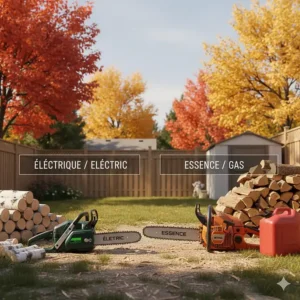
Understanding Cordless Chainsaw vs Gas Chainsaw Performance
The cordless chainsaw vs gas chainsaw debate has evolved dramatically. Ten years ago, suggesting battery chainsaws for serious firewood cutting would earn laughter. Today? It’s a legitimate conversation worth having.
Gas Chainsaw Advantages
Gas-powered chainsaws dominate professional firewood processing for compelling reasons. A 50-60cc gas engine delivers sustained power unmatched by current battery technology. When you’re bucking through 24-inch diameter oak logs all afternoon, that continuous power matters immensely.
Cold start capability represents another critical advantage for Canadians. Modern gas chainsaws like the Husqvarna 455 Rancher start reliably even at -30°C, provided you’re using fresh fuel with proper winter additives. Battery chainsaws struggle below -15°C as lithium-ion cells lose capacity in extreme cold.
Runtime essentially becomes unlimited with gas saws—carry extra fuel, and you’re operational all day. This proves invaluable for remote property owners processing large firewood volumes far from electricity.
Battery Chainsaw Advantages
Electric chainsaws for homeowners have transformed weekend firewood preparation. Zero maintenance beyond chain sharpening and bar oil eliminates the frustration of carburetor cleanings, spark plug replacements, and fuel mixing.
Instant starting cannot be overstated. Press trigger, saw runs. No pull-cord wrestling, no flooding engines, no carburetor priming. For occasional users, this convenience alone justifies battery selection.
Environmental considerations increasingly matter to Canadian buyers. Battery chainsaws produce zero emissions, reducing your carbon footprint significantly. Urban and suburban homeowners particularly appreciate the quieter operation—cutting firewood without irritating neighbours.
Making the Right Choice
Consider your annual firewood volume. Processing 1-3 cords yearly? Battery models like the EGO Power+ CS1800 excel. Cutting 5+ cords or working remote properties? Gas chainsaws remain unmatched.
Temperature extremes also influence decisions. If you’re cutting primarily during moderate seasons, battery advantages shine. Winter cutting in Northern Canada demands gas reliability.
Chainsaw for Canadian Winter: Cold Start Capability Explained
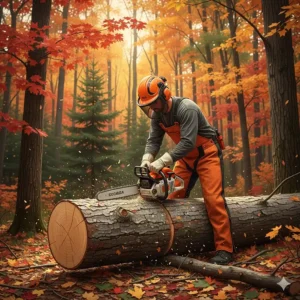
Canadian winters test equipment mercilessly. Understanding cold start capability separates frustration from satisfaction when temperatures drop.
Why Cold Starts Fail
Gasoline behaves differently at -20°C than +20°C. Fuel viscosity increases, atomization decreases, and vapor pressure drops—all working against combustion. Standard summer-blend gasoline becomes nearly useless below -10°C.
Battery chemistry faces similar challenges. Lithium-ion batteries lose 20-40% capacity at -15°C. At -25°C, many won’t function at all. This explains why gas chainsaws with proper preparation outperform batteries in extreme cold.
Maximizing Winter Performance
For gas chainsaws, fuel preparation proves critical. Use winter-grade fuel additives available at Canadian Tire or automotive stores. These stabilizers improve cold-weather starting dramatically.
Store chainsaws in heated spaces overnight when possible. Bringing a cold-soaked chainsaw indoors for an hour before use improves starting success significantly. This applies to both gas and battery models.
Battery chainsaws require special consideration. Keep batteries warm until use—inside your jacket or vehicle. Once warmed, batteries perform adequately even in cold conditions, though runtime decreases.
Best Cold-Weather Models
The Stihl MS 261 C-M leads winter performance through its M-Tronic system, which automatically compensates for temperature changes. The Husqvarna 455 Rancher and Echo CS-590 also excel in Canadian winters with proven cold-start systems.
Among battery models, EGO Power+ performs best in cold conditions, maintaining functionality down to -15°C when batteries are pre-warmed. DeWalt and Makita show similar cold tolerance.
Bar Length Selection: Sizing Your Firewood Chainsaw Correctly
Bar length selection significantly impacts cutting efficiency and safety. Canadian firewood processing typically involves logs ranging from 8-20 inches diameter, requiring thoughtful bar sizing.
The Two-Inch Rule
Professional arborists recommend bar length approximately two inches longer than log diameter you’ll cut most frequently. Processing primarily 12-inch diameter maple? A 14-inch bar works perfectly. Tackling 18-inch oak? Select a 20-inch bar.
This guideline ensures clean, single-pass cuts without forcing the bar through wood at awkward angles. Undersized bars force multiple cuts and increase kickback risks. Oversized bars make saws unwieldy and unnecessarily heavy.
Versatility Considerations
Canadian firewood comes from diverse species and sizes. A 16-18 inch bar offers optimal versatility for most homeowners, handling everything from 8-inch birch to 24-inch maple (cutting from both sides).
Professional firewood processors often prefer 20-inch bars, providing capacity for larger logs while remaining manageable for all-day use. The Husqvarna 455 Rancher’s 20-inch bar represents the sweet spot for serious Canadian firewood cutting.
Regional Variations
British Columbia’s massive fir and cedar benefit from longer bars (20-24 inches). Prairie provinces working predominantly smaller-diameter poplar and spruce find 16-18 inch bars ideal. Eastern hardwood regions cutting oak and maple appreciate the 18-20 inch range.
Consider your specific regional timber. Coastal BC differs dramatically from Northern Ontario. Tailor bar length to your local wood characteristics.
Automatic Chain Oiler: Why This Feature Matters
The automatic chain oiler represents one of chainsaw engineering’s greatest advancements, yet many buyers overlook its importance. Proper lubrication prevents catastrophic wear and dangerous chain breakage.
How Automatic Oilers Work
Modern automatic chain oilers use clutch-driven pumps delivering oil precisely when chains rotate. No rotation, no oil flow—conserving lubrication when idling. This intelligent system contrasts sharply with manual oilers requiring constant attention.
Premium models like the Stihl MS 261 C-M include adjustable oilers, letting users increase flow for demanding conditions (frozen hardwood) or decrease it for light work, optimizing oil consumption.
Why It Matters for Firewood Cutting
Firewood processing generates extreme heat through friction. Hardwoods like Manitoba oak or Quebec maple create particularly harsh conditions. Without adequate lubrication, chains dull rapidly, bars warp, and cutting efficiency plummets.
Canadian winter conditions amplify lubrication importance. Cold temperatures thicken bar oil, reducing flow. Quality automatic oilers compensate, maintaining proper lubrication even at -20°C.
Oil Selection for Canadian Conditions
Use winter-grade bar and chain oil below 0°C. These formulations resist cold-weather thickening, ensuring proper flow when temperatures drop. Regular summer oils become too viscous for reliable automatic oiler operation in winter.
Quality matters significantly. Premium bar oils contain tackifiers preventing oil from flying off chains at high speeds. Cheaper alternatives waste oil and leave bars under-lubricated—false economy that damages expensive equipment.
Safety Regulations: Canadian Chainsaw Standards
Operating chainsaws in Canada requires understanding safety regulations protecting workers and operators. These standards aren’t bureaucratic annoyances—they prevent serious injuries.
CSA Standards for Chainsaws
The Canadian Standards Association (CSA) established CAN/CSA-Z62.1-15 governing chainsaw safety requirements. All chainsaws sold in Canada must meet these specifications, ensuring basic safety features.
Required safety elements include chain brakes, throttle locks, chain catchers, and anti-vibration systems. These features aren’t optional extras—they’re mandated protections backed by decades of accident analysis.
Personal Protective Equipment Requirements
Provincial regulations vary, but WorkSafeBC and other Canadian jurisdictions mandate specific PPE for chainsaw operators:
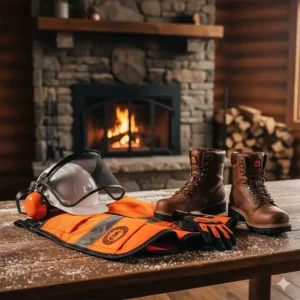
- CSA-approved hard hats with face shields
- Hearing protection (chainsaw noise exceeds safe levels)
- Cut-resistant chainsaw chaps or pants
- Steel-toed boots with cut-resistant material
- Heavy-duty gloves (cut-resistant preferred)
These requirements apply equally to professionals and homeowners. Ignoring PPE doesn’t just risk injury—it can invalidate insurance coverage if accidents occur.
Operational Requirements
Canadian regulations require chainsaws to feature properly functioning chain brakes and throttle locks. Operators must start saws at least 3 meters from fueling locations. Working alone with chainsaws is discouraged in most jurisdictions.
For homeowners, these regulations provide guidelines for safe operation even when not legally enforced. Following professional safety standards protects you and your family.

Maintenance Essentials for Canadian Firewood Chainsaws
Proper maintenance separates reliable chainsaws from expensive paperweights. Canadian conditions—extreme temperatures, variable humidity, dusty summer conditions—demand diligent care.
Daily Maintenance Tasks
Before each use, inspect chain tension. Properly tensioned chains should pull slightly away from bars but not lift drive links from rails. Adjust tension while chains are cold—they expand when heated.
Check chain sharpness by examining cutting chips. Sharp chains produce long, uniform chips. Dull chains create sawdust and fine particles. Sharpen chains every 2-3 hours of cutting time, or immediately if chains contact dirt or rocks.
Verify bar oil levels and automatic oiler function. Run saws briefly, pointing bars at light-coloured surfaces. Properly functioning oilers create visible oil spray patterns.
Seasonal Maintenance
Spring preparation includes fresh fuel mixing for gas chainsaws. Winter fuel goes stale, causing starting difficulties and poor performance. Drain old fuel, add fresh gas with appropriate stabilizers.
Inspect air filters after winter storage. Mice love chainsaw air boxes for nesting. Replace contaminated filters immediately—dirty filters starve engines, reducing power and increasing fuel consumption.
Fall preparation emphasizes lubrication. Apply protective oil to bars, chains, and exposed metal surfaces preventing winter rust. Store chainsaws in dry, temperature-stable locations protecting them from moisture and extreme cold.
Professional Servicing
Annual professional servicing pays dividends. Qualified technicians inspect critical components homeowners miss: clutch wear, sprocket condition, spark plug degradation. For gas chainsaws, carburetor tuning optimizes performance and fuel economy.
Budget $75-150 CAD annually for professional maintenance. This investment extends chainsaw lifespan significantly, preventing expensive repairs resulting from neglected maintenance.
How to Choose Chainsaw for Canadian Firewood Processing
Selecting the ideal chainsaw for cutting firewood requires analyzing your specific needs against available options. This seven-step process guides Canadian buyers toward perfect matches.
Step 1: Calculate Annual Firewood Volumes
Accurately estimate annual consumption. One cord (128 cubic feet stacked wood) heats average Canadian homes approximately one month. Calculate needed cords, then add 20% for inefficiency and waste.
Processing 1-3 cords annually suggests homeowner-grade equipment. The EGO Power+ CS1800 or DeWalt DCCS670X1 excel here. Cutting 4-8 cords demands prosumer models like the Husqvarna 450 Rancher. Exceeding 8 cords requires professional saws—the Stihl MS 261 C-M or Echo CS-590 Timber Wolf.
Step 2: Assess Your Physical Capabilities
Chainsaw weight matters tremendously during extended use. Gas chainsaws weighing 5-6 kg cause noticeable fatigue after several hours. Battery models averaging 4.5-5.5 kg feel lighter but runtime limits session length.
Consider your strength and endurance honestly. Buying overpowered saws impresses neighbours but causes back strain and accidents from fatigue-induced mistakes.
Step 3: Evaluate Your Location and Access
Remote properties without electricity make gas chainsaws logical choices. Urban and suburban locations with convenient power access favour battery models avoiding noise complaints and emission concerns.
Climate significantly influences decisions. Northern Canadian locations experiencing -30°C winters require proven cold-start capability found in gas models. Milder coastal climates permit battery chainsaw consideration year-round.
Step 4: Consider Your Mechanical Aptitude
Gas chainsaws reward mechanical competence. Mixing fuel, adjusting carburetors, replacing spark plugs, cleaning air filters—these tasks discourage mechanically-averse users.
Battery chainsaws eliminate mechanical complexity almost entirely. Charge batteries, sharpen chains, add bar oil—that’s essentially complete maintenance. For non-mechanical homeowners, this simplicity alone justifies battery selection.
Step 5: Analyze Your Tree Species
Hardwoods like oak, maple, and ash demand greater power than softwoods such as spruce, pine, or poplar. Processing primarily hardwood benefits from larger displacement gas engines (55cc+).
Softwood cutting allows smaller engines and battery models. The Makita XCU03PT1’s 14-inch bar handles softwood efficiently, while struggling with dense hardwood.
Step 6: Budget Realistically
Quality chainsaws represent significant investments: $400-900 CAD for reliable models. Budget not only purchase price but ongoing costs: fuel/oil for gas saws, additional batteries for cordless models.
Factor replacement chains ($20-35 CAD), bar replacements ($40-80 CAD every 2-3 years), and protective equipment ($150-300 CAD for complete PPE setup).
Step 7: Prioritize Safety Features
Never compromise safety for cost savings. Ensure prospective chainsaws include:
- Functional chain brakes (test before purchasing)
- Throttle interlock preventing accidental starts
- Anti-vibration systems reducing operator fatigue
- Chain catchers preventing injury from broken chains
- Proper guards protecting hands

FAQ
❓ What is the best bar length for cutting firewood in Canada?
❓ Is a cordless chainsaw powerful enough for cutting firewood?
❓ How much should I expect to spend on a quality chainsaw in Canada?
❓ Can chainsaws operate in Canadian winter temperatures below -20°C?
❓ Do I need special safety training to operate a chainsaw in Canada?
Conclusion: Selecting Your Ideal Canadian Firewood Chainsaw
After examining seven exceptional chainsaws and exploring critical selection factors, one truth emerges: the perfect chainsaw for cutting firewood matches your specific needs rather than following blanket recommendations.
For Canadian homeowners processing 3-5 cords annually in suburban settings, the EGO Power+ CS1800 delivers unbeatable convenience. Zero maintenance headaches, instant starts, and quiet operation outweigh battery runtime limitations for weekend warriors.
Serious firewood processors tackling 6+ cords of hardwood annually find exceptional value in the Echo CS-590 Timber Wolf. Professional-grade construction, powerful performance, and competitive pricing create compelling packages for dedicated users.
Those seeking ultimate reliability and advanced technology should investigate the Stihl MS 261 C-M. The M-Tronic system’s automatic adjustments for Canadian temperature extremes and elevation changes justify premium pricing through years of trouble-free service.
Remember that chainsaw selection represents just one component of safe, efficient firewood processing. Invest equally in quality protective equipment, maintain your saw diligently, and never compromise safety for speed. Canadian winters reward preparation—select the right chainsaw for cutting firewood, maintain it properly, and you’ll enjoy reliable performance for decades.
Start your firewood cutting journey confidently by exploring the highlighted models on Amazon.ca. Whether choosing battery convenience or gas power, Canadian-tested chainsaws await to transform your firewood processing from chore to satisfaction.
Recommended for You
- 7 Best Table Saw for Beginners Canada 2026 – Safety First
- 7 Best Portable Miter Saw Stand Combo for Canadian Jobsites (2026 Guide)
- 10 Inch vs 12 Inch Miter Saw: 7 Best Models Canada 2026
Disclaimer: This article contains affiliate links to Amazon.ca. If you purchase products through these links, we may earn a small commission at no additional cost to you.
✨ Found this helpful? Share it with your friends! 💬🤗
