
In This Article
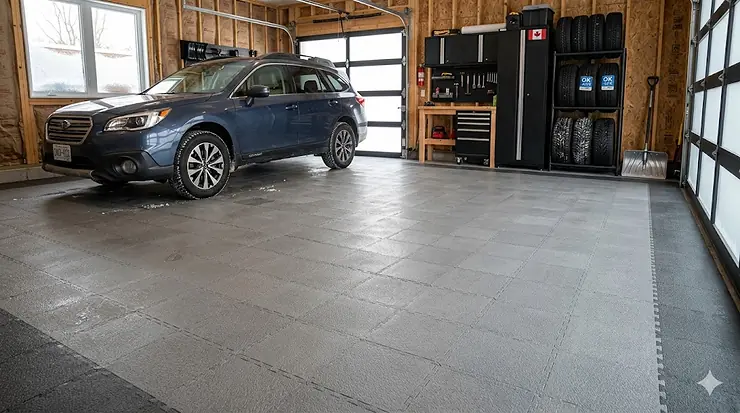
If you’ve ever walked into your garage on a January morning in Winnipeg, Saskatoon, or anywhere north of the 49th parallel, you already know the problem: bare concrete that feels colder than the snowbank outside, and flooring that creaks, buckles, or splits the moment the mercury drops. Finding garage floor tiles minus 40 conditions won’t destroy is trickier than it sounds, because most flooring marketing is written for places that have never seen a wind chill warning.
This guide cuts through that. We looked at how rigid polypropylene, copolymer, and flexible PVC and rubber tiles actually behave once temperatures fall well below freezing, then matched that against real, current listings on Amazon.ca. You’ll get a comparison table, seven specific products across budget, mid-range, and premium tiers, and a buyer’s framework so you’re not guessing which material survives a Prairie winter and which one turns brittle by February.
A quick note before we dive in: as an Amazon Associate, this site earns from qualifying purchases — more on that in the disclosure below.
What Are Cold-Rated Garage Floor Tiles?
Cold-rated garage floor tiles are interlocking flooring panels engineered to stay flexible and structurally sound at sub-zero temperatures, rather than becoming brittle, shrinking, or cracking. In Canada, that typically means tiles tested or commonly used in climates that regularly hit -30°C to -40°C, made from either flexible PVC/rubber compounds or impact-modified copolymer rather than basic recycled polypropylene.
Quick Comparison Table
| Product | Material | Pack Size | Best For | Price Range (CAD) |
|---|---|---|---|---|
| Big Floors RaceDeck Free-Flow | Self-draining copolymer | 48 tiles (48 sq ft) | Snow melt & drainage | $250–$400 |
| Big Floors GarageTrac Diamond | High-impact copolymer | 24 tiles (24 sq ft) | All-around durability | $150–$280 |
| VEVOR Heavy-Duty Diamond Plate | Polypropylene (PP) | 25 tiles | Budget heavy-duty | $90–$160 |
| VEVOR Blue Diamond 50-Pack | PP, rigid | 50 tiles | Large garages on a budget | $140–$230 |
| Speedway 6-Lock Diamond Tile | High-impact polymer | 25 tiles | Colour customization | $130–$220 |
| ZPINC Interlocking Tiles | Polypropylene | 48 tiles | Tightest budget | $100–$180 |
| VersaTex Rubber Diamond Plate | Recycled rubber | 16–24 tiles | Cold-flex comfort | $120–$220 |
Looking at this lineup, the price spread tells its own story: the rigid polypropylene options from VEVOR, Speedway, and ZPINC are the cheapest way to cover a garage, but they’re also the ones most likely to feel brittle when you’re kneeling on them in February. The copolymer RaceDeck and GarageTrac lines cost more per square foot, but their impact-modified plastic blend is specifically formulated to resist the kind of cracking that rigid PP can suffer in extreme cold, which matters more in Edmonton than in Victoria. VersaTex’s rubber tiles sit in the middle price-wise, but they’re the only product here built from a material that’s inherently flexible at any temperature.
💬 Just one click — help others make better buying decisions too! 😊
✨ Don’t Miss These Exclusive Deals!
🔍 Take your garage flooring project to the next level with these carefully selected products. Click on any highlighted item to check current pricing and availability on Amazon.ca. These tiles will help you build a floor your whole family — and your truck — will appreciate through every Canadian season. ❄️🚗
Top 7 Garage Floor Tiles for Cold Canadian Garages: Expert Analysis
1. Big Floors RaceDeck Free-Flow (Premium Pick)
Big Floors RaceDeck Free-Flow uses an open-rib, self-draining design made from high-impact copolymer rather than basic polypropylene. The open-rib underside isn’t just a drainage gimmick — in a Canadian garage where your truck tracks in slush and road salt every day from November to April, that gap lets meltwater run underneath the tile instead of pooling on top of it, which matters because trapped water freezing and thawing repeatedly is what actually damages flooring over a winter.
What most Canadian buyers overlook about copolymer tiles like this one is that the material itself is chemically modified to stay impact-resistant in cold, unlike straight polypropylene, which is the same plastic that gets noticeably more brittle as temperatures fall. That’s the spec sheet detail that actually matters once it’s -35°C and you’re rolling a floor jack across it. Feedback across owner reviews tends to focus on the snap-together installation being faster than expected and the surface holding up well under daily vehicle traffic.
✅ Self-draining design handles snowmelt
✅ Copolymer resists cold-weather brittleness better than PP
✅ Interlocks with other Big Floors RaceDeck tiles for custom layouts
❌ Premium price per square foot
❌ Open-rib texture is louder underfoot than solid tiles
Price & verdict: Expect to pay in the $250–$400 CAD range for a 48 sq ft kit, prices may vary — check current pricing on Amazon.ca. If you park a daily-driver in an unheated garage through a real Prairie or Northern Ontario winter, this is the tile that earns its premium.
2. Big Floors GarageTrac Diamond (Best All-Around)
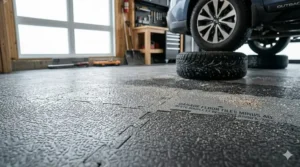
Big Floors GarageTrac Diamond is the mid-range workhorse: high-impact copolymer construction, a double-tread diamond pattern, and a rolling load rating in the tens of thousands of pounds. In practice, that load rating means the tile shrugs off a half-ton pickup or a floor jack without denting, which is the kind of detail that matters more than the headline number itself.
The diamond tread also does double duty in winter — it’s there for grip when the floor’s wet with melted snow, not just for looks. What stands out compared to the cheapest PP tiles is that GarageTrac’s copolymer blend doesn’t get the same “tap and crack” brittleness in deep cold, which several long-term Canadian owners on forums and review sections specifically call out after a few winters of use.
✅ Strong rolling-load capacity for daily vehicle traffic
✅ Diamond tread improves wet/snowy traction
✅ Multiple colour options for custom layouts
❌ No drainage channels, so standing meltwater sits on the surface until it evaporates
❌ Heavier per tile than thinner PVC options
Price & verdict: Typically in the $150–$280 CAD range depending on pack size. A strong default choice if you want one tile to handle vehicles, tools, and winter mess without specialty features.
3. VEVOR Heavy-Duty Interlocking Diamond Plate (Budget Heavy-Duty)
VEVOR Heavy-Duty Interlocking Diamond Plate tiles are made from impact-resistant polypropylene with a 0.53-inch profile and a rated capacity in the thousands of pounds per tile — VEVOR’s 2024-and-newer design also upgraded the interlocking loop system specifically to reduce the popping and gapping that older PP tiles were known for.
Here’s the practical trade-off: polypropylene is naturally more prone to becoming stiff and slightly more brittle as temperatures drop, compared to copolymer or rubber. For a heated garage, that’s a non-issue. For an unheated detached garage in rural Saskatchewan, it means you should expect to be a little more careful when you’re hammering tiles into place on a -30°C morning — let them warm up indoors first. Reviewers commonly note easy DIY installation and solid wear resistance for the price.
✅ Genuinely budget-friendly for the load rating
✅ Updated interlocking system reduces gapping
✅ Easy single-person installation, no tools required
❌ Polypropylene is stiffer and more cold-brittle than copolymer or rubber
❌ No drainage design for melting snow
Price & verdict: Around $90–$160 CAD for a 25-tile pack. Best for a budget-conscious buyer who can let tiles acclimatize indoors before a cold install, or whose garage stays just above freezing most of the winter.
4. VEVOR Blue Diamond 50-Pack (Best for Large Garages on a Budget)
VEVOR Blue Diamond 50-Pack tiles are rigid PP construction rated for tens of thousands of pounds of rolling load, with a diamond tread pattern and a 50-tile count that’s specifically aimed at covering a full two-car garage without buying multiple smaller kits.
The real-world value here is coverage per dollar: at 50 tiles per pack, a Calgary or Ottawa homeowner with a standard double garage can often finish the whole floor with a single order, which simplifies both the install day and the warranty paperwork if something’s defective. The same cold-weather caveat applies as with any rigid PP tile — it’s not the most forgiving material in a frozen garage, so plan your install for a milder week if you can.
✅ High coverage-per-pack for large garages
✅ High rolling-load rating
✅ Tiles snap together without tools or adhesive
❌ Rigid PP, so it’s stiffer to work with below freezing
❌ Single colour option limits design flexibility
Price & verdict: Roughly $140–$230 CAD for the full 50-tile pack, which works out to a strong per-square-foot cost. A sensible pick if budget and total square footage matter more than premium cold-flex performance.
5. Speedway 6-Lock Diamond Tile (Best for Colour Customization)
Speedway 6-Lock Diamond Tile uses a six-tab interlocking system per side instead of the more common four, specifically to reduce the gapping that can otherwise appear between tiles after repeated freeze-thaw cycles compress and expand the plastic. It’s made in the U.S.A. from a rigid, lightweight high-impact polymer and is available in a wide range of colours, from black and silver through to red, blue, and terracotta.
For Canadian buyers, the six-tab lock is the detail worth paying attention to: in a garage that swings from -35°C in January to well above freezing during a spring thaw, tiles expand and contract, and a weaker four-tab lock is more likely to separate over a few seasons. Owners frequently mention the colour range as a deciding factor for matching a workshop or showroom aesthetic.
✅ Six-tab lock resists seasonal gapping better than four-tab designs
✅ Wide colour selection for custom patterns
✅ High rollover weight capacity for SUVs and trucks
❌ Rigid polymer, same cold-brittleness caveat as other PP/polymer tiles
❌ No drainage channels
Price & verdict: Around $130–$220 CAD for a 25-tile pack. Worth the small premium over basic PP tiles if you want a longer-lasting lock system and don’t want to be stuck with black or grey.
6. ZPINC Interlocking Garage Floor Tiles (Tightest Budget)
ZPINC Interlocking Garage Floor Tiles are a straightforward 48-pack of 12″x12″ polypropylene tiles with a brick-pattern non-slip surface and a UV coating intended to prevent the warping that cheaper unfinished tiles can suffer in a sun-exposed garage. They’re aimed squarely at buyers who want maximum coverage for the lowest possible spend.
The honest trade-off: this is the most basic material tier in this guide, so treat the cold-weather caution doubly here — install on a mild day, store extra tiles indoors over winter rather than in an unheated shed, and don’t expect the same long-term resilience as the copolymer options. For a starter garage, a rental property, or a seasonal cottage, that trade-off is often perfectly reasonable.
✅ Lowest cost per square foot in this list
✅ UV coating helps prevent sun-warping near garage doors
✅ Simple snap-together install
❌ Most cold-brittle material tier of the seven
❌ Lower load rating than the copolymer options
Price & verdict: Typically $100–$180 CAD for the full 48-tile pack. A reasonable choice for light-duty use, but not the first pick if your garage regularly sees -40°C and heavy vehicle traffic.
7. VersaTex Rubber Diamond Plate (Best Cold-Flex Comfort)
VersaTex Rubber Diamond Plate tiles are made from recycled synthetic rubber rather than any rigid plastic, which is the single biggest differentiator on this list. Rubber simply doesn’t suffer the same stiffening-and-cracking risk that polypropylene does in deep cold, and it stays noticeably warmer underfoot than bare concrete or hard plastic tiles — a real comfort difference if you spend winter weekends working on a vehicle.
One important Canadian-shopper note: at the time of this research, VersaTex’s Amazon.ca listings showed limited or out-of-stock availability for some pack sizes, while Home Depot Canada carries the same Dimex-manufactured tiles in 8- and 24-tile cases. If the Amazon.ca listing is unavailable when you check, that’s a legitimate cross-border quirk worth knowing about rather than a sign the product was discontinued.
✅ Rubber stays flexible and warmer underfoot in extreme cold
✅ Heat-resistant and chemical/oil resistant
✅ Available in black or grey for checkerboard patterns
❌ Amazon.ca stock has been inconsistent — verify availability or check Home Depot Canada
❌ Thinner profile than some PP tiles, so it telegraphs minor floor imperfections
Price & verdict: Roughly $120–$220 CAD depending on pack size, prices may vary by retailer. The best pick specifically because it’s cold-flex by material, not just by marketing.
How to Install Garage Floor Tiles in Cold Weather
Installing any interlocking tile — PP, copolymer, or rubber — gets noticeably harder once the material itself is cold, because the locking tabs are less forgiving when they’re stiff. A few practical steps make a real difference:
- Warm the tiles before installation. Bring boxes indoors for 24 hours, or leave them in a heated space, so the plastic or rubber flexes normally when you’re snapping pieces together.
- Leave expansion clearance. Most manufacturers recommend roughly 1/2″ of clearance from walls in mild weather and closer to 3/8″–1/2″ extra in cold-weather installs, since the floor will expand again once temperatures rise.
- Avoid installing directly on ice or frost. Sweep and dry the concrete fully — trapped moisture under a freshly laid tile can refreeze and create an uneven surface.
- Check tabs and loops for cracking as you install rigid PP tiles in particular; a cracked tab now becomes a gap that collects salt and grit all winter.
For ongoing cold-weather maintenance, sweep off road salt and sand regularly rather than letting it sit, since salt residue is abrasive and can dull tile surfaces over a season, and squeegee standing meltwater off solid (non-draining) tiles before it has a chance to refreeze near doorways.
Real Canadian Garages: Three Buyer Profiles
The Edmonton daily commuter: parks a salt-covered SUV in an attached, unheated garage every winter night. Drainage matters more than aesthetics here, which points toward the RaceDeck Free-Flow’s self-draining design.
The rural Manitoba workshop owner: uses the garage for vehicle repair and storage more than parking, with heavy tool chests and the occasional engine hoist. The GarageTrac Diamond’s high rolling-load rating and tread pattern make it a sensible fit.
The budget-conscious Ottawa renter: wants to protect a rental’s concrete floor without a big investment, and won’t be there for more than a couple of winters. The ZPINC or VEVOR Blue Diamond budget tiles cover the floor affordably, with the understanding that they’re not built for a decade of -35°C cycles.
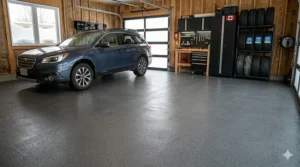
How to Choose Garage Floor Tiles in Canada
- Start with your garage’s winter reality. Heated garage, attached-and-insulated, or fully exposed to outdoor temperatures all change which material makes sense.
- Match material to climate severity. Copolymer or rubber for regular sub -30°C exposure; polypropylene is fine for milder or heated spaces.
- Check the load rating against your heaviest vehicle or equipment, not just the marketing headline number.
- Decide if drainage matters. If you track in snow and slush daily, self-draining tiles reduce standing meltwater.
- Confirm Amazon.ca availability and shipping before you commit, since stock and pricing can differ from the U.S. listings.
- Budget for extra tiles to account for cuts around support poles, drains, or uneven walls.
- Read the warranty terms, since manufacturer defect coverage varies meaningfully between budget and premium tiers.
Common Mistakes When Buying Cold-Climate Garage Tiles
A frequent misstep is buying the cheapest polypropylene tile available without checking how it performs once temperatures drop, then being surprised when tabs crack during a January install. Another common mistake is skipping expansion clearance at the walls, which can cause buckling later — interestingly, this issue usually shows up as the floor warms in spring, not during the cold snap itself, since the tiles contracted in winter and need that legroom to expand again. Buyers also sometimes assume any product sold on Amazon.com automatically ships to Canada at the same price and availability, which isn’t always true — always confirm the Amazon.ca listing directly. Finally, skipping a written look at the warranty (manufacturer defect coverage typically ranges from a few years to a decade-plus depending on tier) means costly surprises if a batch of tiles fails early.
PVC and Rubber vs. Polypropylene: Which Holds Up Better in Canadian Winters
Polypropylene (PP) is the most common material in budget interlocking tiles because it’s inexpensive to mould and genuinely strong under load. Its downside in a Canadian context is that PP becomes progressively stiffer as temperatures fall, and very cold installation or impact (a dropped tool, a hard-knock from a floor jack) can crack a tab. Flexible PVC and rubber tiles, by contrast, are formulated to stay pliable across a much wider temperature range, which is also why they tend to feel warmer and quieter underfoot. Copolymer tiles — used in the RaceDeck and GarageTrac lines — sit in between: they’re chemically modified plastics designed specifically to resist the brittleness of plain PP while keeping a similar rigid, vehicle-ready surface. None of these materials are damaged by cold once properly installed and given expansion room; the real differences show up during installation in the cold and during the freeze-thaw cycling that’s typical of a Canadian shoulder season.
Long-Term Cost & Maintenance in CAD
Budget polypropylene tiles cost less upfront — often under $200 CAD for a full garage — but may need partial replacement sooner if individual tiles crack under cold-weather stress, and replacement tiles aren’t always available years later if a product line is discontinued. Copolymer and rubber options cost more initially, frequently $250–$400+ CAD for a similar coverage area, but typically carry longer manufacturer warranties and hold up to more freeze-thaw cycles before any tile needs swapping. Maintenance costs across all tiers are low: a shop vacuum, a mop, and occasional mild cleaner are usually enough, with the main “hidden cost” being road salt residue, which is abrasive and worth sweeping off regularly rather than letting it accumulate over a winter.
Canadian Regulations, Standards & Honest Disclosure
Garage floor tiles themselves aren’t subject to a specific CSA flooring certification the way electrical products are, but a few Canadian-specific points are worth knowing. Under the Competition Act, the Competition Bureau requires that any affiliate or influencer content disclose material financial connections clearly and that product claims be based on genuine experience rather than unverified marketing copy — which is also why this guide is upfront about being affiliate-supported and about which details come from manufacturer specs versus aggregated owner feedback rather than first-hand lab testing. For broader garage winterization, Natural Resources Canada’s home energy efficiency guidance is a useful starting point if you’re insulating an attached garage alongside a flooring upgrade. Bilingual packaging requirements under Canadian consumer labelling law apply to the retail packaging itself rather than the flooring material, so check the box for French/English labelling as a basic authenticity signal when buying from a third-party seller.
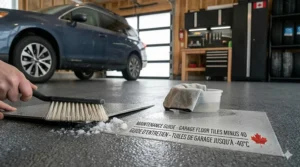
FAQ
❓ Can garage floor tiles crack in minus 40 weather?
❓ Do garage floor tiles ship to Canada from Amazon?
❓ Can I install garage floor tiles in winter?
❓ Do interlocking tiles work with road salt and snow?
❓ What's the best garage floor tile thickness for cold Canadian garages?
Conclusion
There’s no single “best” garage floor tile for every Canadian garage — there’s a best tile for your winter. If you’re parking a salt-covered vehicle daily through a long, harsh season, the self-draining RaceDeck Free-Flow or the rubber VersaTex tiles earn their higher price through genuine cold-weather material advantages. If your garage is heated, used seasonally, or you’re working with a tighter budget, the VEVOR, Speedway, or ZPINC polypropylene options still get the job done — just install them on a milder day and give the tiles room to breathe. Whatever you choose, double-check current Amazon.ca pricing and stock before you order, since availability shifts more often for garage flooring than for most home goods.
✨ Don’t Miss These Exclusive Deals!
🔍 Ready to upgrade your garage for the season ahead? Click through to compare current prices and Amazon.ca availability on any of the seven tiles above before the next cold snap arrives. 🇨🇦❄️
Recommended for You
- 7 Best Garage Floor Tiles for Cold Climates in Canada (2026)
- 7 Best Battery Chargers for Canadian Winter 2026 (Tested Picks)
- NOCO vs Stanley Jump Starter Cold Weather: 7 Best in Canada 2026
Disclaimer: This article contains affiliate links. As an Amazon Associate, I earn from qualifying purchases. If you purchase products through these links, I may earn a small commission at no additional cost to you.
Found this helpful? Share it with your friends! 💬🤗
