

In This Article
Every Canadian knows the sound. It’s the scrape of a boot on a glassy driveway at 7 a.m., followed by a short, silent prayer. Picking ice melt for driveways feels like a ten-second decision: grab a bag, spread, go. Then March arrives. The concrete is flaking, the garage floor has a white crust, and the dog refuses the back steps.
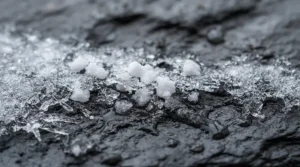
The choice matters more than it looks. Canada spreads roughly five million tonnes of road salts on its roadways every year, according to the federal Code of Practice for the Environmental Management of Road Salts. That Code also says it doesn’t cover private properties. Nobody sets rules for your driveway, so you have to make the call yourself.
This guide compares seven real products you can find on Amazon.ca, and it does more than list them. It covers the fast acting ice melt review question (what “fast” really means), the pros and cons of chloride-based melting agents, and how to work out an application rate per square metre. It also explains freeze-thaw surface damage and gives a bulk-buying plan for garage owners.
One honesty note up front. I haven’t hand-tested these products, and I won’t pretend otherwise. Everything below comes from listing specs, manufacturer data, public guidance from government and university sources, and plain reasoning about what the numbers mean for your driveway.
Quick Comparison Table: Ice Melt for Driveways at a Glance
| Product | Main Ingredient | Listed Low-Temp Claim | Pack Size | Price Band (CAD) | Best For |
|---|---|---|---|---|---|
| Snow Joe Pellets of Fire | Calcium chloride | -25°F (-32°C) | 20 lb / 50 lb | C$50-C$75 (20 lb) | Thick, stubborn ice |
| Qik Joe Calcium Chloride Ice Melt | Calcium chloride | -25°F (-32°C) | 9-50 lb range | C$45-C$65 (20 lb) | Budget-conscious buyers |
| Peladow Calcium Chloride Pellets | Calcium chloride | Roughly -20°F to -25°F | 50 lb | C$90-C$140 | Bulk buyers, large driveways |
| Scotwood Road Runner Premium Ice Melter | Calcium + magnesium chloride | Check label | 12 lb (also 20 lb) | C$30-C$50 (12 lb) | Mid-size driveways, blended performance |
| Snow Joe Premium Enviro Blend | CMA-based blend | -10°F (-23°C) | 50 lb | C$60-C$100 | Surface and plant protection |
| Bare Ground CCPSG-12 | Calcium chloride + traction granules | Check label | 7 lb jug | C$25-C$40 | Steps, spot treatment |
| Pet Safe Snow & Ice Melt (Eco Living Solutions) | Calcium chloride | -25°F (-32°C) | 10 lb | C$30-C$50 | Households that want a smaller pack |
The table shows two groups. Four products are straight calcium chloride, which is your best bet below -20°C. The others trade some cold-weather punch for gentler surface behaviour or built-in traction. In practice, Qik Joe Calcium Chloride Ice Melt and Snow Joe Pellets of Fire will feel nearly identical on a Prairie January morning. The real separation comes from pack size, extras like traction granules, and how much you worry about your concrete.
Treat the price bands as rough planning ranges, not quotes. Amazon.ca prices move constantly, and heavy pails often carry shipping quirks, so check current price before you commit.
💬 Just one click — help others make better buying decisions too!😊
Top 7 Ice Melt for Driveways: Expert Analysis
Two ground rules before the lineup. First, the listed temperature ratings are manufacturer claims. They describe where the chemistry can work, not where it works comfortably. Second, I couldn’t verify a reliable cross-section of recent Amazon.ca review text for every product. So instead of inventing “customer feedback,” each entry tells you which complaints to look for when you open the reviews yourself. That’s more honest, and probably more useful.
1. Snow Joe Pellets of Fire — blue-tinted pellets for fast, visible coverage
The standout here is visibility. These calcium chloride pellets are tinted blue, so you can see exactly where you’ve spread them. That makes it easy to avoid double-dosing the same patch.
The listing claims effectiveness down to -25°F (-32°C) on concrete, driveways, sidewalks, and roofs, in a 20 lb (about 9 kg) bag or a 50 lb (about 22.7 kg) pail. Calcium chloride releases heat as it dissolves, which helps it chew into thick, bonded ice instead of skating across the surface. On a freezing-rain glaze, that exothermic kick is the practical difference between “wait ten minutes” and “wait an hour.”
This is a strong all-round choice for anyone whose driveway sees real cold. It’s overkill if your winters hover around -2°C and a gentler blend would do. Reviewers across ice-melt products generally gripe about clumping and tracked residue. Filter this listing’s 1-3 star reviews and look for those themes before buying.
Pros:
- ✅ Heat-generating pellets work on thick, bonded ice
- ✅ Blue tint shows where you’ve already spread
- ✅ Listed to -25°F (-32°C) for deep-freeze mornings
Cons:
- ❌ Costs more per kilogram than rock salt
- ❌ Can leave white residue if over-applied
Price range: around C$50-C$75 for the 20 lb size. That’s solid value for hard-freeze regions and less compelling for mild coastal winters.

2. Qik Joe Calcium Chloride Ice Melt — budget-friendly calcium chloride in many pack sizes
The standout is flexibility. The brand sells from roughly 9 lb up to 50 lb, so you can start small and scale up once you trust it.
The listing describes a 100% calcium chloride formula with an exothermic reaction, rated to -25°F (-32°C). In plain terms, you’re getting the same core chemistry as the premium options. The money goes to chemistry, not frills, which is exactly what you want from budget ice melt for driveways.
Based on the spec comparison, this is the sensible default for a single-car driveway, a back deck, or a rental property where you won’t over-think it. Its limitation is that there’s no traction add-in and no corrosion-inhibitor story to tell. If your concrete is under a year old or already scaling, you need a different strategy altogether (see the freeze-thaw section below).
On reviews, I couldn’t verify enough recent Amazon.ca text to summarise fairly. When you open the listing, check whether buyers mention caking in humid storage. Calcium chloride pulls moisture from the air, so a sealed bucket matters.
Pros:
- ✅ Pure calcium chloride at a modest price point
- ✅ Multiple pack sizes from small to bulk
- ✅ Exothermic action tackles bonded ice
Cons:
- ❌ No traction granules for walking safety
- ❌ Absorbs moisture if the bag isn’t resealed
Price range: roughly C$45-C$65 for 20 lb. A strong budget pick if you store it dry.
3. Peladow Calcium Chloride Pellets — 50 lb of professional-grade, bulk-ready pellets
The standout is scale. A 50 lb (22.7 kg) bag is the sweet spot for anyone who plans to treat the same large surface all winter.
Peladow is a long-established calcium chloride brand from OxyChem, and calcium chloride’s practical floor sits around -20°F to -25°F (-29°C to -32°C), depending on the source. Manufacturer guidance from OxyChem recommends using it on concrete that is at least a year old and properly cured, which is a useful rule for any chloride product. At sensible rates, one bag goes a very long way (more on that in the application rate section).
This is the pick for garage owners with a double driveway, a long laneway, or a shop yard. The heavy bag is awkward to lift and awkward to ship, so check Amazon.ca delivery terms before you click. I couldn’t verify review text in enough volume to summarise, so scan recent reviews for complaints about bag damage or short-fills during transit.
Pros:
- ✅ Best cost-per-application potential in this lineup
- ✅ Professional-grade brand with published use guidance
- ✅ Cold-weather range suited to Prairie and Northern winters
Cons:
- ❌ Heavy 22.7 kg bag is awkward to handle
- ❌ Needs sealed, dry storage between storms
Price range: around C$90-C$140. Excellent value only if you’ll actually use the whole bag.
4. Scotwood Road Runner Premium Ice Melter — calcium and magnesium chloride in one pellet
The standout is the blend. The listing describes calcium and magnesium chloride pellets that melt ice on impact and generate heat quickly.
A blend aims to split the difference. Calcium chloride brings speed and deep-cold reach. Magnesium chloride is often described as the gentler partner, and one guide puts its effectiveness to about -13°F (-25°C). The 12 lb (5.4 kg) jug suits a typical driveway-plus-steps job, and a 20 lb size also exists.
Here’s what most buyers overlook: a blend isn’t automatically “safe.” It’s still chloride-based, so concrete age, sealing, and application rate matter far more than the label colour. Still, it’s a smart middle road for households that find straight calcium chloride aggressive.
On reviews, I couldn’t verify enough Amazon.ca text to summarise sentiment. When you check the listing, watch for comments about pellet size and consistency, since uniform pellets spread more evenly.
Pros:
- ✅ Blend balances speed with a gentler profile
- ✅ Compact jug is easy to store and carry
- ✅ Melts on impact for quick action
Cons:
- ❌ Still chloride-based, so it isn’t “damage-proof”
- ❌ Small pack empties fast on large driveways
Price range: roughly C$30-C$50 for 12 lb. Fair value for mid-size jobs.
5. Snow Joe Premium Enviro Blend — CMA-based protection for surfaces and plants
The standout is its low-chloride philosophy. The 50 lb (22.7 kg) listing describes a blend with calcium magnesium acetate (CMA), green-coated crystals, and a claimed melt range to -10°F (-23°C).
CMA is widely described as the gentlest option on concrete. The trade-off is practical: one buyer guide notes it needs heavier application and struggles in prolonged deep freezes. A published rate table puts CMA at roughly 4 to 6 lb per 1,000 sq ft, versus 2 to 4 for calcium chloride pellets. So you’ll spread more of it, and you’ll get less cold-weather margin.
That makes it a good fit for milder winters, brick or exposed-aggregate surfaces, and gardens beside the pavement. In Edmonton at -30°C, it’s the wrong tool. Treat the “safe for pets, plants and metal” wording as a manufacturer claim, not a guarantee.
Review text was too thin for me to verify, so look for comments about performance in real cold and the spreading rate people actually needed.
Pros:
- ✅ Gentler profile for concrete and landscaping
- ✅ Large 22.7 kg bag for repeat use
- ✅ Coloured crystals show coverage
Cons:
- ❌ Weaker below roughly -10°C to -23°C
- ❌ Heavier application rate raises ongoing cost
Price range: around C$60-C$100. Good value in mild climates, poor value in deep freeze.

6. Bare Ground CCPSG-12 — calcium chloride with built-in traction granules
The standout is the traction. This 7 lb (3.2 kg) shaker jug pairs calcium chloride pellets with traction granules.
That solves a real problem. De-icers melt ice, but they give no grip while they work, and sand gives grip but no melting. This product aims to do both at once. The shaker top is handy for steps, walkways, and the stubborn spot at the bottom of the driveway where meltwater refreezes.
Based on the format, this is a spot-treatment and stair product, not a whole-driveway workhorse. A 3.2 kg jug covers only a few treatments on a large surface. The traction granules will also track into the house, so a boot tray is wise.
I couldn’t verify enough review text to summarise. When you read the listing, check whether people mention the shaker hole clogging in humid conditions.
Pros:
- ✅ Melting plus traction in a single product
- ✅ Shaker jug suits steps and small patches
- ✅ Calcium chloride base works in serious cold
Cons:
- ❌ Small jug is poor value for big driveways
- ❌ Granules can scuff indoors and clog drains
Price range: roughly C$25-C$40. Great for entrances, pricey for acreage.
7. Pet Safe Snow & Ice Melt (Eco Living Solutions) — smaller calcium chloride pack with household-friendly branding
The standout is the household positioning. The 10 lb (4.5 kg) listing describes calcium chloride rated to -25°F (-32°C), “safe for concrete” and “safe for kids and pets.” It carried an Amazon’s Choice badge for “calcium chloride pellets” on Amazon.ca at the time of research.
A word of caution on the pet claim. Independent guidance notes that rock salt and calcium chloride can irritate paws and be harmful if swallowed, while magnesium chloride is generally gentler. “Pet safe” on a calcium chloride bag is a marketing phrase, not a clinical one. Wipe paws after walks regardless of what the label says.
As a product, it’s a convenient small pack of effective chemistry. It’s a good pick for a townhouse, a short driveway, or anyone who’d rather not wrestle a 22 kg bag. I couldn’t verify review volume, so read recent comments about pellet quality and packaging.
Pros:
- ✅ Easy-to-handle 4.5 kg pack
- ✅ Calcium chloride performance down to -32°C (listed)
- ✅ Popular enough to earn an Amazon’s Choice badge
Cons:
- ❌ “Pet safe” wording overstates what chloride can promise
- ❌ Higher cost per kilogram than bulk bags
Price range: roughly C$30-C$50. A tidy pick for small spaces.
✨ Don’t Miss These Exclusive Deals!
🔍 Take your ice melt for driveways routine to the next level with these carefully selected products. Click on any highlighted item to check current pricing and availability. These tools will help you create a safe, slip-free entrance your family will love!
What Is Ice Melt for Driveways?
Ice melt for driveways is a granular, flaked, or liquid de-icing product that lowers water’s freezing point so ice and packed snow turn back into liquid. Most contain a chloride salt, though some use acetates. The right one depends on pavement temperature, surface type, and how much corrosion risk you’ll accept.
How It Works (Without the Chemistry Lecture)
Dissolved salt interferes with water’s ability to freeze, so ice sitting in a salty puddle melts even when the air is below 0°C. Some products also change the temperature around them. Calcium chloride gives off heat as it dissolves, while sodium chloride pulls heat from its surroundings. That’s why calcium chloride tends to feel faster in deep cold.
The Temperature Trap
Here’s a detail that trips people up: pavement temperature, not air temperature, decides whether a product works. A published deicer fact sheet lists approximate working limits of calcium chloride at -20°F (-29°C), magnesium chloride at -10°F (-23°C), sodium chloride at 15°F (-9°C), and CMA at 20°F (-7°C). Sun-warmed asphalt can sit warmer than the air, and shaded concrete can sit colder. Those numbers also explain why rock salt “stops working” on Prairie mornings. Strictly, it hasn’t stopped. It has run out of chemistry.

How to Choose Ice Melt for Driveways
Choosing well takes six questions, asked in this order:
- Check your coldest realistic pavement temperature. If it regularly drops below -10°C, favour calcium chloride or a calcium-magnesium blend. Plain rock salt stalls around -9°C.
- Look at your concrete’s age. Avoid chloride products on concrete under 12 months old. Use sand for traction instead, or a low-chloride option.
- Match the formula to your surface and surroundings. Brick, exposed aggregate, and nearby gardens favour gentler blends or CMA.
- Think about pets and kids. No chloride is risk-free, but magnesium chloride is generally described as milder on paws.
- Estimate how much you’ll actually spread. Work out your square metres, then your bag count (see the application rate section).
- Decide on pack size and storage. Calcium chloride absorbs moisture, so a sealed bucket beats a torn bag every time.
Follow those steps and the “best” product usually picks itself.
Fast Acting Ice Melt Review: What “Fast” Really Means
Every bag claims to be fast. This fast acting ice melt review breaks the claim into three parts: how quickly the product starts, how deep it cuts, and how long it keeps working.
Start Speed
Calcium chloride starts fastest because it pulls moisture and releases heat. Listings for Snow Joe Pellets of Fire and Qik Joe Calcium Chloride Ice Melt both describe heat-generating pellets that act on contact. Blends such as Scotwood Road Runner Premium Ice Melter aim for similar behaviour with a gentler profile. In my reading of the spec sheets, straight calcium chloride is the speed leader on paper. Treat that as expected behaviour, not a lab result.
Depth and Staying Power
Fast surface melting is only half the job. Thick, bonded ice needs a product that keeps burrowing, and shallow slush needs one that won’t refreeze overnight. Calcium chloride’s low working limit helps here, because meltwater stays liquid longer instead of re-glazing at dusk.
The Honest Caveat
A speed claim can’t beat physics. More product doesn’t speed things up. OxyChem’s own guidance states that over-application never accelerates melting and may leave a slick surface. If your ice isn’t budging, clear what you can with a shovel first, then re-treat. You’ll finish faster and use less.
Chloride-Based Melting Agents: Calcium, Magnesium, Sodium and Potassium Compared
Most ice melt for driveways relies on chloride-based melting agents. They share a family resemblance but behave differently.
Calcium Chloride
It’s the cold-weather champion, effective to roughly -25°F (-32°C) per product listings and roughly -20°F (-29°C) per a government-agency fact sheet. It costs more than rock salt, but it often needs less. One consumer rate table puts it at about 2 to 4 lb per 1,000 sq ft, versus 3 to 5 for rock salt.
Magnesium Chloride
It’s usually positioned as the gentler cousin, with working limits quoted around -13°F to -10°F (-25°C to -23°C). It can cost up to twice as much as calcium chloride, according to one gardening columnist. It’s a good compromise where plants and paws matter.
Sodium Chloride (Rock Salt)
It’s cheap and familiar, and it works well near the freezing point. It struggles below roughly -9°C. Environmental guidance generally treats it as the most problem-prone for soil and vegetation.
Potassium Chloride
It sounds friendly, since it’s in fertiliser. But a horticultural source warns it can harm or even kill plants at the rates needed to melt ice.
The Big Picture
Chloride-based melting agents all raise chloride in meltwater, which is why Canada designated road salts “toxic” under federal environmental law. The takeaway: choose the warmest-working chemistry that handles your temperature, and apply it sparingly.
Application Rate Per Square Metre: How Much Ice Melt You Actually Need
This is the section that saves money and concrete. Most people spread far too much, and the label is not always a helpful guide.
Step 1: Measure Your Area
Multiply length by width. A typical double driveway of 6 m × 6 m is 36 m².
Step 2: Pick a Rate, Then Adjust
Rates vary widely depending on who is giving advice. A University of Minnesota LTAP homeowner guide suggests about 1 lb of salt per 250 sq ft and no more than 4 lb per 1,000 sq ft. That works out to roughly 20 g per square metre. It adds that blends with calcium or magnesium chloride may need less. By contrast, OxyChem’s calcium chloride guidance gives a starting point of 28 lb per 1,000 sq ft, or about 137 g per square metre, and tells users to adjust for ice thickness and temperature.
That’s a seven-fold gap, and it’s real. My reading: start near the low end, then increase only if the ice won’t release.
Step 3: Do the Bag Maths
At 20 g/m², your 36 m² driveway needs about 0.72 kg per treatment, so a 9 kg bag gives roughly 12 treatments. At 137 g/m², the same driveway needs about 4.9 kg, which is under two treatments from that bag.
Step 4: Spread Like a Pro
- Shovel or plough first, since deicers work best on thin ice.
- Space granules about 5-8 cm apart, not in clumps.
- Wait, then clear slush rather than adding more product.
Over-spreading never speeds melting, and it wastes money.
Freeze-Thaw Surface Damage: How Ice Melt Can Wreck Concrete (and How to Avoid It)
Freeze-thaw surface damage is the quiet villain of Canadian driveways. Ice melt isn’t always the culprit, but it can make things worse.
What Actually Happens
Concrete is porous. According to National Research Council Canada’s building digest on freeze-thaw, only concrete elements subjected to continuous or frequent wetting are susceptible. The severest exposures are horizontal surfaces near ground level that face both freeze-thaw cycling and de-icing salts while wet. Your driveway is exactly that. Damage becomes likely once the pores are nearly saturated, and the digest puts “critical saturation” at around 91 per cent.
Where De-Icers Make It Worse
Salt scaling shows up as the surface layer flaking away. Research summaries describe de-icing salts as intensifying freeze-thaw damage, and one engineering paper notes that the process progressively deteriorates concrete from the surface inward. In other words, a gentle surface flake in March can become a rough, pitted slab by year five.
Practical Defences
- Wait it out on new concrete. Avoid chloride products for the first 12 months, per product guidance from OxyChem and other chemical suppliers.
- Seal in warm weather. One columnist notes a waterproofing sealant can protect against ice-related cracks for several years.
- Use the least product that works. Fewer applications mean fewer wet-dry cycles carrying chloride into the slab.
- Pick gentler chemistry like the CMA in Snow Joe Premium Enviro Blend for fragile surfaces.
The best defence is a well-made slab with air entrainment, but you can’t retrofit that. You can control rate, timing, and sealing.
Best Bulk Ice Melt for Garage Owners
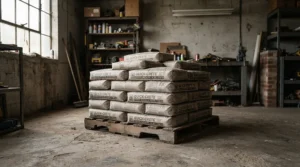
Garage owners have special needs: big surfaces, repeated storms, and a floor inside the building that doesn’t love salt. The best bulk ice melt for garage owners balances low cost per application with sensible storage and surface care.
Why Bulk Wins
Bulk buying pays when the maths works. A 22.7 kg bag like Peladow Calcium Chloride Pellets at around 20 g/m² covers roughly 1,100 m² of single treatments. Even at 137 g/m², it covers about 165 m². That’s enough for several storms on a double driveway. If you only treat a few steps, though, a bulk pail simply becomes a heavy decoration.
Storage Rules for the Garage
Calcium chloride is hygroscopic, so keep it sealed and off bare concrete. A magnesium-based product like Fireki Pure Magnesium Chloride was described in one guide as less hygroscopic, though I haven’t verified its listing details. A plastic tote with a tight lid beats a folded-over bag.
Protecting Floors and Vehicles
Tracked de-icer will leave a white film and can attack floor coatings and metal. Use a boot tray, hose off vehicle undersides on mild days, and sweep rather than letting slush melt on your floor.
Pallet-Scale Buying
Pallet-size listings of 50 lb bags do exist on Amazon marketplaces, but availability and shipping to Canada vary, so verify before ordering. For most households, one or two Peladow Calcium Chloride Pellets bags plus a small Bare Ground CCPSG-12 jug for steps is the practical combo.
Real-World Scenarios: Matching Ice Melt for Driveways to Your Situation
Specs only help when they meet a real driveway. Here are three profiles with reasoning.
Scenario 1: The Prairie Homeowner
Profile: Winnipeg-style winters, overnight lows near -30°C, 40 m² two-car driveway, six to eight treatments a season.
Best fit: Peladow Calcium Chloride Pellets or Snow Joe Pellets of Fire. Rock salt is useless at those temperatures. At a conservative 20-30 g/m², one 22.7 kg bag could last a full winter.
Scenario 2: The Ontario Suburban Family
Profile: Mild-to-moderate winters with constant freeze-thaw cycles, a three-year-old driveway, a dog, and a budget of about C$100 per season.
Best fit: Scotwood Road Runner Premium Ice Melter for the main driveway, with careful rate control. Wipe your dog’s paws after walks. If you’re worried about the slab, add a sealant in summer.
Scenario 3: The Garage Owner with a Long Laneway
Profile: A detached workshop, 80 m² of paving, frequent plough-and-spread cycles, and a strong need for low cost per use.
Best fit: Bulk Peladow Calcium Chloride Pellets at a measured rate, plus a small Bare Ground CCPSG-12 jug at the door for traction. Store the bulk in a lidded tote.
The pattern: temperature drives the chemistry, surface age drives the caution, and area drives the pack size.
Problem → Solution: Fixing Common Ice Melt Headaches
Problem 1: The Bucket Turned Into a Brick
Calcium chloride absorbs moisture. Solution: reseal tightly after each use, keep it off bare concrete, and store it somewhere dry. A hardened clump can sometimes be broken up, but prevention is easier.
Problem 2: White Residue Everywhere
That’s usually over-application plus tracking. Solution: cut your rate toward the 20 g/m² end, sweep up excess after the melt, and use a boot tray at the door. Snow Joe Pellets of Fire‘s blue tint helps you spot over-spreading.
Problem 3: Ice Refreezes by Evening
Meltwater runs off and refreezes in shade or at the bottom of a slope. Solution: clear slush after the product has worked, and treat the low spot lightly again before dusk. Calcium chloride’s lower working limit helps here.
Problem 4: No Grip Even After Melting
De-icers give no traction on top of ice. Solution: use Bare Ground CCPSG-12 on steps, or add sand where ice persists. Sand works only on the surface and needs reapplying after fresh snow.
Problem 5: Concerns About Paws and Plants
Solution: use the smallest effective amount, rinse paws, and choose gentler chemistry such as Snow Joe Premium Enviro Blend near gardens. Don’t assume “pet safe” means paw-proof.
Ice Melt vs Alternatives: Sand, Rock Salt and Heated Mats
Chemical melt isn’t your only option. Here’s how the main choices stack up.
| Option | Works Down To | Melts Ice? | Surface Risk | Best For |
|---|---|---|---|---|
| Peladow Calcium Chloride Pellets | About -29°C | Yes, fast | Moderate (chloride) | Deep-cold, large areas |
| Scotwood Road Runner Premium Ice Melter | About -25°C (blend) | Yes | Moderate | Mid-size driveways |
| Snow Joe Premium Enviro Blend | About -23°C | Yes, slower | Lower | Gentle surfaces |
| Rock salt | About -9°C | Yes, near freezing only | Higher for soil and plants | Mild winter mornings |
| Sand | Any temperature | No, traction only | Low | New concrete, supplement |
The table shows a clear divide. Sand never melts anything, but it protects new concrete and stays useful at any temperature. Rock salt is cheapest but fails exactly when you need it most. If your winters are cold, Peladow Calcium Chloride Pellets earns its price, while Snow Joe Premium Enviro Blend makes sense when your priority is the surface itself.
One more alternative: heated mats and cables. They avoid chemicals entirely, but they cost far more up front and require electrical work. They suit a short, high-value stretch like a sloped entry, not an entire driveway.
Long-Term Cost & Maintenance
Sticker price is a poor guide. A cheap bag you spread heavily can cost more than an expensive one you spread lightly.
| Product | Pack | Price Band (CAD) | Approx. Treatments (36 m² at low rate) | Value Verdict |
|---|---|---|---|---|
| Peladow Calcium Chloride Pellets | 22.7 kg | C$90-C$140 | About 31 | Best bulk value |
| Qik Joe Calcium Chloride Ice Melt | 9 kg | C$45-C$65 | About 12 | Strong budget value |
| Snow Joe Pellets of Fire | 9 kg | C$50-C$75 | About 12 | Good, with extras like tint |
| Snow Joe Premium Enviro Blend | 22.7 kg | C$60-C$100 | About 21 at heavier rate | Fair, rate-dependent |
| Bare Ground CCPSG-12 | 3.2 kg | C$25-C$40 | About 4 | Spot-use only |
These counts assume about 20 g/m² (about 30 g/m² for the CMA blend) and mild icing, so heavy glaze will cut them. The takeaway is that Peladow Calcium Chloride Pellets wins on cost per treatment if you’ll use the volume, while Qik Joe Calcium Chloride Ice Melt wins on low upfront risk. Bare Ground CCPSG-12 is for convenience, not economy.
Add the hidden costs. A sealant every few years is cheap insurance against repairing scaled concrete. Sweeping residue, washing vehicle undersides, and storing product dry all add small but real maintenance time. Spend a little there and the whole system lasts longer.
Safety, Pets and Canadian Regulations
What the Rules Actually Say
Canada’s federal assessment concluded that road salts containing inorganic chlorides were “toxic” under the Canadian Environmental Protection Act, 1999, and the Code of Practice followed in 2004. The Code is voluntary and targets public road authorities using over 500 tonnes a year, according to Environment and Climate Change Canada’s progress review. Quebec runs its own strategy instead. The Code doesn’t cover private properties, so there’s no federal rule on your driveway. Municipal bylaws, condo rules, and local groundwater protections may still apply, so check yours.
Practical Safety
- Wear gloves when handling chloride products, since even gentler ones can dry skin.
- Keep bags away from kids and pets, and rinse paws after winter walks.
- Don’t pile product near storm drains, gardens, or well heads.
- Never mix different de-icers unless the label says it’s fine.
The Stewardship Mindset
Chloride doesn’t vanish when snow melts. It runs into soil and waterways. That’s the reason a measured rate matters beyond your wallet.
FAQ
❓ How much ice melt do I need for a driveway?
❓ Is calcium chloride better than rock salt for driveways?
❓ Can I use ice melt on new concrete?
❓ Is Pet Safe Snow & Ice Melt (Eco Living Solutions) really safe for pets?
❓ What's the best bulk ice melt for garage owners?
Conclusion
Choosing ice melt for driveways comes down to four honest questions. How cold does your pavement get? How old is your concrete? How big is your surface? How much chloride are you willing to put into your soil and slab?
If your winters bite below -20°C, calcium chloride products like Snow Joe Pellets of Fire, Qik Joe Calcium Chloride Ice Melt, and Peladow Calcium Chloride Pellets are the logical core. They differ mainly in pack size and price. If you want a gentler profile, Scotwood Road Runner Premium Ice Melter and Snow Joe Premium Enviro Blend give up some cold-weather reach in exchange for kinder behaviour. Bare Ground CCPSG-12 and Pet Safe Snow & Ice Melt (Eco Living Solutions) handle the small jobs: steps, entrances, and tidy storage.
Whatever you choose, remember the three habits that matter most. Measure your square metres and spread lightly, clear slush instead of piling on more product, and protect your concrete with sealant and patience on new slabs. Do that, and the bag in your garage will protect your driveway instead of slowly chewing it up.
Recommended for You
- Roof Rake For Snow Removal: 7 Proven Picks For Canada (2026)
- 7 Best Traction Mats For Icy Driveway Safety In 2026
- 7 Best Ice And Snow Safety Kit For Garage Picks (Proven 2026)
Disclaimer: This article contains affiliate links. As an Amazon Associate, I earn from qualifying purchases. If you purchase products through these links, we may earn a small commission at no additional cost to you.
✨ Found this helpful? Share it with your friends! 💬🤗
